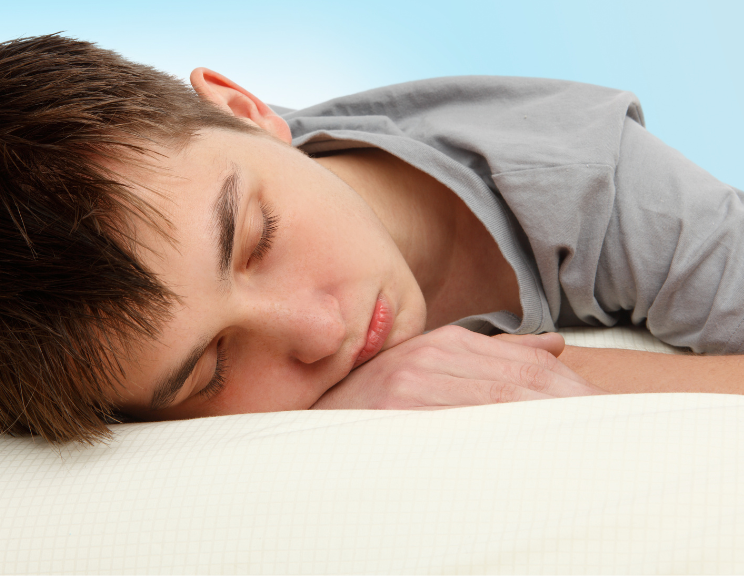
Bedwetting, medically known as nocturnal enuresis, is often associated with younger children. Yet for some families, it continues into puberty. When it does, the emotional impact can feel heavier. Adolescence is a stage defined by growing independence, social awareness, and sensitivity to peer perception. Nighttime accidents during this period can lead to embarrassment, frustration, and anxiety.
While bedwetting in the teen years is less common than in early childhood, it is not unheard of. In many cases, hormonal shifts during puberty play a meaningful role. Understanding how hormones affect bladder function and sleep can help families respond calmly and manage the condition effectively.
The Hormonal Changes of Puberty
Puberty brings rapid and complex hormonal changes. These changes drive growth, sexual maturation, and shifts in sleep patterns. They also influence urine production and bladder control.
Several hormones are involved in nighttime dryness, including:
- Antidiuretic hormone (ADH)
- Estrogen
- Testosterone
When hormone patterns fluctuate or mature more slowly, bedwetting may persist during early or mid-puberty.
Antidiuretic Hormone (ADH) and Nighttime Urine Production
ADH is responsible for reducing urine production at night. It signals the kidneys to conserve water so the bladder does not overfill during sleep.
In some adolescents, nighttime ADH production remains inconsistent. As a result, the body produces more urine overnight than the bladder can comfortably hold. If the brain does not wake the teen in time, bedwetting occurs.
This delayed hormonal pattern is one of the most common reasons bedwetting persists beyond childhood. According to the National Institute of Diabetes and Digestive and Kidney Diseases (NIDDK), bedwetting can continue into adolescence, often reflecting developmental timing rather than behavioral issues.
Estrogen, Testosterone, and Bladder Function
Puberty introduces dramatic increases in sex hormones.
In girls, rising estrogen levels support development of the reproductive and urinary systems. Temporary fluctuations can influence bladder elasticity and pelvic floor muscle tone. These shifts may occasionally affect nighttime bladder control.
In boys, testosterone increases rapidly during puberty. Testosterone affects muscle development, sleep patterns, and overall growth. Indirectly, these changes can alter how deeply a teen sleeps and how effectively the brain responds to bladder signals.
Although the mechanisms differ between boys and girls, hormonal transitions can temporarily increase vulnerability to nighttime accidents.
Hormones and Sleep Disruption
One of the most overlooked contributors to teen bedwetting is sleep disruption.
During puberty, circadian rhythms shift. Teens naturally feel alert later at night and struggle to wake early. Deep sleep phases may intensify. If a teen sleeps very deeply, the brain may not respond to bladder fullness signals in time.
Fragmented or poor-quality sleep can also increase nighttime accidents. Hormonal changes that disrupt sleep indirectly affect bladder control.
The Emotional Impact During Adolescence
At this stage of life, privacy and peer acceptance matter deeply. Teens who wet the bed may avoid sleepovers, camps, or trips. Even occasional accidents can trigger intense embarrassment.
Stress and anxiety can, in turn, worsen bedwetting. This creates a cycle where emotional distress and nighttime accidents reinforce one another.
Parents play a crucial role here. Calm reassurance, discretion, and matter-of-fact communication protect a teen’s self-esteem.
Practical Strategies That Help
While puberty-related bedwetting often improves naturally, practical strategies reduce stress and protect confidence.
1. Consistent Sleep Routine
Encourage a regular bedtime and wake time, even on weekends. A stable sleep schedule supports hormone regulation and improves responsiveness to bladder signals.
2. Balanced Evening Hydration
Teens should stay hydrated during the day. However, limiting excessive fluids in the final one to two hours before bed can reduce nighttime urine volume. Avoid caffeinated and highly sugary drinks in the evening.
3. Use Appropriate Absorbent Protection
Disposable absorbent underpants and overnight briefs are responsible and practical tools for teens. Modern designs are discreet and comfortable. For larger teens, adult-sized options may provide better fit and leak protection.
Using absorbent protection does not delay improvement. It preserves mattresses, protects skin health, and allows teens to sleep without fear of visible accidents.
4. Bedwetting Alarms
Bedwetting alarms can be effective for motivated teens. These devices detect moisture and wake the individual at the first sign of wetting. Over time, the brain learns to respond earlier to bladder signals. Results require patience and consistent use.
5. Bladder and Pelvic Floor Awareness
Encouraging regular daytime bathroom habits and avoiding prolonged holding can support healthy bladder function. Gentle pelvic floor strengthening exercises may be helpful for some adolescents.
6. Nutrition and Activity
A balanced diet supports hormonal stability and bowel health. Chronic constipation should be addressed promptly, as it can increase bladder pressure. Regular physical activity improves circulation, sleep quality, and stress management.
When to Seek Medical Advice
Although many cases are developmental, consult a healthcare provider if:
- Bedwetting begins suddenly after long dryness
- There is pain during urination
- Daytime accidents occur frequently
- There is unusual thirst, weight loss, or fatigue
- There is loud snoring with breathing pauses
The American Academy of Pediatrics recommends evaluation when symptoms change significantly or persist into later adolescence. Medical assessment can rule out conditions such as urinary tract infections, diabetes, or sleep disorders.
Long-Term Outlook
For most teens, puberty-related bedwetting improves as hormone patterns stabilize. Bladder capacity increases. Sleep cycles mature. The brain becomes more responsive to internal signals.
Progress may not be linear. There may be dry months followed by occasional setbacks. This is common during hormonal transitions.
Final Reassurance
Bedwetting during puberty can feel overwhelming, but it does not define your teen’s health or future. It reflects biology, timing, and development — not effort or character.
With practical protection, steady routines, and compassionate support, teens can move through this stage with confidence intact. Hormones eventually stabilize. Maturation continues. And for the vast majority of adolescents, consistent nighttime dryness follows.
Bedwetting-Enuresis.com Editorial Team